
Darwin Casino Complex: Hotels, Dining and Amenities Guide
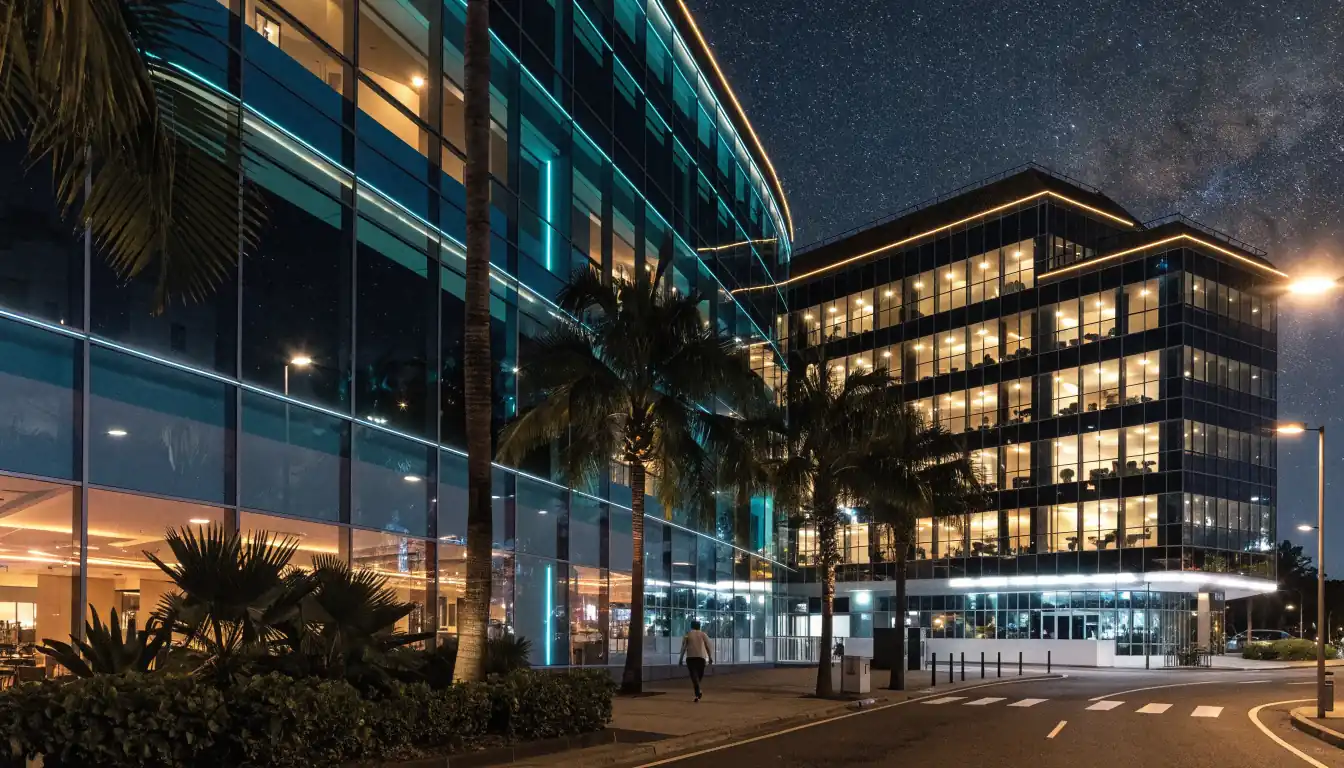
Table of Contents
- The Darwin Casino Complex: Development, Employment and Entertainment
- Casino‑Linked Hotels and Room Packages
- Operating Hours, Shows and Entertainment Schedule
- Parking, Accessibility and On‑site Amenities
- Contact Details, Bars and Event Services
- Buffet and Breakfast Options at Darwin Casino
- Visitor Guidelines: Dress Code, Age Requirements and Etiquette
- Restaurants Inside the Casino – Cuisine Variety
- Nearby Accommodation – Hotels and Short‑term Rentals
- Recreation Facilities: Food Court, Pool and Leisure Areas
- Regulatory Landscape for Gambling in Australia
The Darwin Casino Complex: Development, Employment and Entertainment
Darwin’s casino complex sits within a broader national gambling economy that generated $244.3 billion in bets during 2022–23, with Australians losing $31.5 billion over the same period. Land-based venues such as the one in Darwin form part of the physical infrastructure behind those figures, distinct from the online sector, which operates under separate — and considerably more restrictive — federal rules. The presence of 72.8% of Australian adults having gambled in some form over a twelve-month period in 2022 indicates that venues of this kind serve a broad cross-section of the local and visiting population, not a narrow niche of dedicated players.
A venue built around scale
The Darwin property functions as a multi-purpose complex rather than a single gaming floor. Its footprint spans a gaming area, function spaces, food and beverage outlets, and accommodation towers under common management. This structural breadth is typical of Australian casino developments outside the major eastern-seaboard cities, where a single licensed operator often consolidates gaming, hospitality and event functions on one site to justify the capital outlay involved in construction and ongoing compliance.
Since Darwin players don’t have a local land-based casino to weigh up, the real comparison happens online — so it pays to check licensing, welcome offers, and deposit terms before picking where to play in 2026.
License: Curacao OGL/2024/1335/0780 · Bonus: up to A$1,000 + 150 free spins, wager-free · Min. deposit: EUR 20 Holds a Curacao OGL license and offers a wager-free welcome package of up to A$1,000 plus 150 free spins, with a low EUR 20 minimum deposit making it accessible for newcomers.
License: Curacao Gaming Control Board OGL/2023/176/0095 (Hollycorn N.V.) · Bonus: up to A$1,500 + 200 free spins across 3 deposits Licensed by the Curacao Gaming Control Board under Hollycorn N.V., this operator spreads its up to A$1,500 plus 200 free spins bonus across three deposits, rewarding players who fund their account more than once.
Bonus: 240% up to A$4,100 + 300 free spins Stands out for a high percentage match bonus of 240% up to A$4,100 alongside 300 free spins, making it notable for players chasing a large initial boost.
License: Curacao Gaming Control Board · Bonus: up to A$5,000 + 400 free spins Operates under a Curacao Gaming Control Board license and offers one of the larger welcome bonuses on this list, up to A$5,000 plus 400 free spins.
License: Curacao · Bonus: up to A$10,000 multi-stage + 500 free spins · Min. deposit: A$20 (POLi) Licensed in Curacao, it provides a substantial multi-stage bonus reaching up to A$10,000 plus 500 free spins, with a modest A$20 minimum deposit via POLi for easy funding.
License: Curacao eGaming (Dama N.V.) · Bonus: up to A$10,000 + 180 free spins, 40x wagering Run by Dama N.V. under a Curacao eGaming license, it offers up to A$10,000 plus 180 free spins, though the 40x wagering requirement is worth noting before claiming it.
License: Curacao · Bonus: 100% up to A$500 + 200 free spins, 10x wagering · Payout speed: crypto 30-60 minutes, fiat 1-5 days · Min. deposit: A$10 Curacao-licensed with a 100% match up to A$500 plus 200 free spins and a low 10x wagering requirement, it also offers fast crypto payouts within 30-60 minutes and a low A$10 minimum deposit.
License: Curacao · Bonus: up to A$2,000 A Curacao-licensed operator offering a straightforward welcome bonus of up to A$2,000 for new players.
License: Curacao Gaming Control Board OGL/2023/176/0095 (Hollycorn N.V.) · Bonus: up to A$11,000 + 300 free spins (code NEO100) Licensed by the Curacao Gaming Control Board under Hollycorn N.V., it features one of the largest bonuses reviewed here, up to A$11,000 plus 300 free spins, redeemable with a specific bonus code.
License: Tobique Gaming Commission · Bonus: up to A$8,000 + 400 free spins across 4 deposits · Payout speed: crypto ~10-15 minutes, fiat 1-5 days · Min. deposit: A$30 Licensed by the Tobique Gaming Commission, it offers up to A$8,000 plus 400 free spins across four deposits, with notably fast crypto payouts of around 10-15 minutes and a A$30 minimum deposit.
Development of the complex has proceeded in stages over the years, with periods of closure and refurbishment tied to broader economic conditions affecting the Northern Territory’s tourism sector. Questions about whether the venue is currently trading, and under what operating status, are common among prospective visitors, particularly those planning a trip around a specific opening schedule. As with any physical venue subject to periodic renovation or ownership changes, current trading status is best confirmed directly with the property before travel, since public information on reopening dates for land-based venues can lag behind actual operational changes.
Employment at the complex
A venue of this size functions as a significant local employer, drawing on roles across gaming operations, hospitality, food and beverage service, hotel management, event coordination, security and administration. Employment at Australian casinos of this scale typically spans entry-level hospitality positions through to specialised gaming supervision roles, the latter requiring compliance with territory-based probity and licensing checks before staff can work on the gaming floor. This layered staffing structure distinguishes a casino complex from a standalone hotel or restaurant, since gaming-floor employees are subject to a separate regulatory regime overseen by territory gambling authorities, on top of the usual employment law obligations that apply to hospitality staff more broadly.
Job availability tends to fluctuate with the venue’s trading calendar and any renovation or closure periods. Recruitment for gaming and hospitality roles is generally handled directly by the operator rather than through general jobs boards, reflecting the licensing checks that gaming-related positions require.
Entertainment as a core function
Beyond the gaming floor itself, the complex operates as an entertainment venue in its own right. Function rooms and event spaces host a mix of live performances, private functions and corporate events, positioning the property as one of the larger entertainment venues in the Darwin region rather than a gaming-only establishment. This entertainment role sits alongside, but separate from, the specific show schedules and time-based programming covered elsewhere; here the focus is on the complex’s function as a venue type — a place built to host large-scale events — rather than on what is currently showing or when.
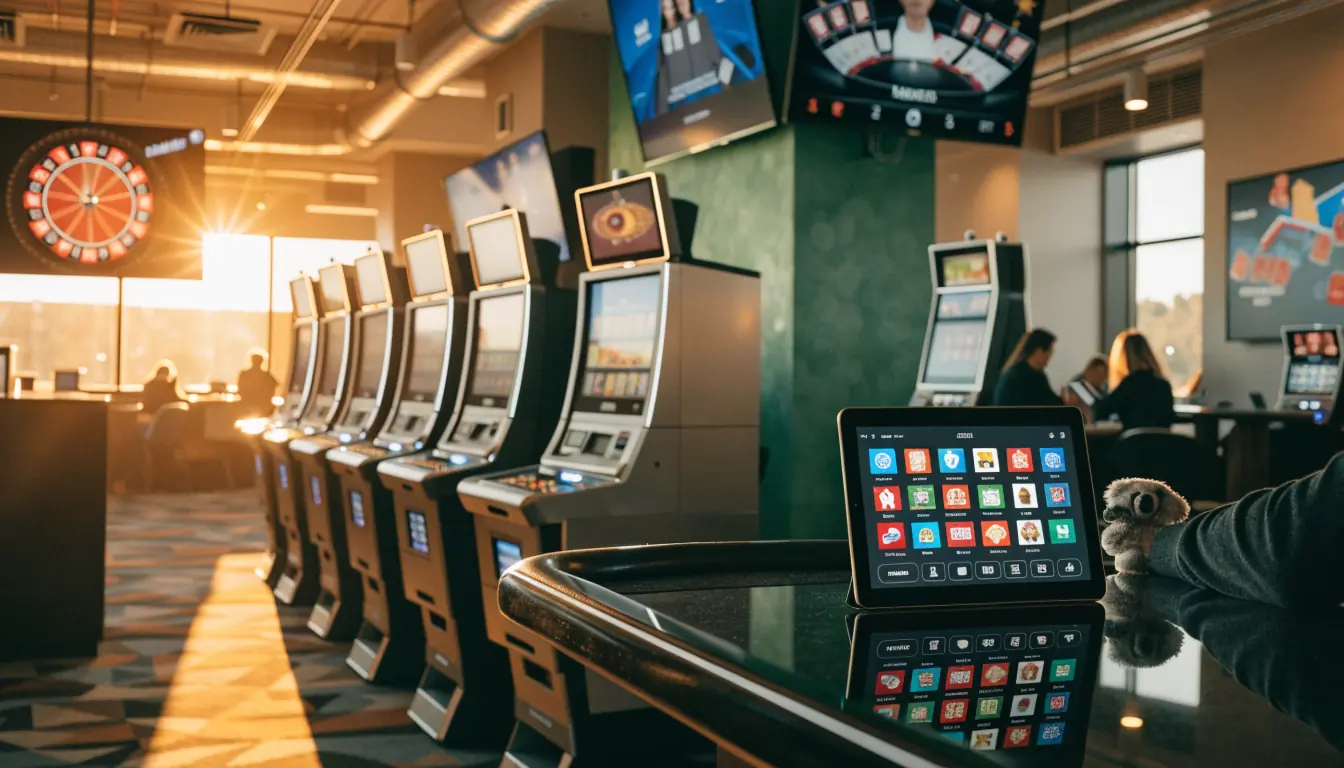
The gaming floor itself typically includes a mix of pokies and table games, reflecting the pattern seen across most Australian land-based casinos, where machine gaming makes up the bulk of the floor space and table games occupy a smaller, more concentrated area aimed at a different segment of visitors. This mix, combined with the complex’s hospitality and event infrastructure, is what separates a casino resort of this kind from a standalone gaming venue or a pub with pokies licences — the latter being far more numerous but far narrower in scope.
Distinguishing the complex from its services
It is worth separating the complex as a development and employer from the specific consumer-facing offerings addressed elsewhere on this page. Room packages, dining venues, buffet services and dress-code requirements are all downstream of the underlying development described here: a single licensed property that combines gaming, accommodation, hospitality and event infrastructure under one roof, employing a workforce spread across several regulated and unregulated job categories, and functioning as one of the Northern Territory’s principal entertainment venues independent of its gaming revenue alone.
Basic accommodation suitable for short stays, offering essential amenities without extra frills.
Larger rooms with additional living space and, in some cases, waterfront views, aimed at longer visits or event attendees.
Bundled offers that combine accommodation with dining credits, parking or access to on‑site facilities, differentiating them from standalone hotel rates.
Casino‑Linked Hotels and Room Packages
The property most closely associated with the Darwin casino operates as an on-site hotel rather than a nearby partner, which sets it apart from independent accommodation elsewhere in the city. Staying within the complex means room access connects directly to the gaming floor, dining outlets and event spaces without needing to factor in transport or check-in logistics at a separate address. This is the practical distinction worth understanding before comparing it to hotels merely located near the casino grounds.
Room categories
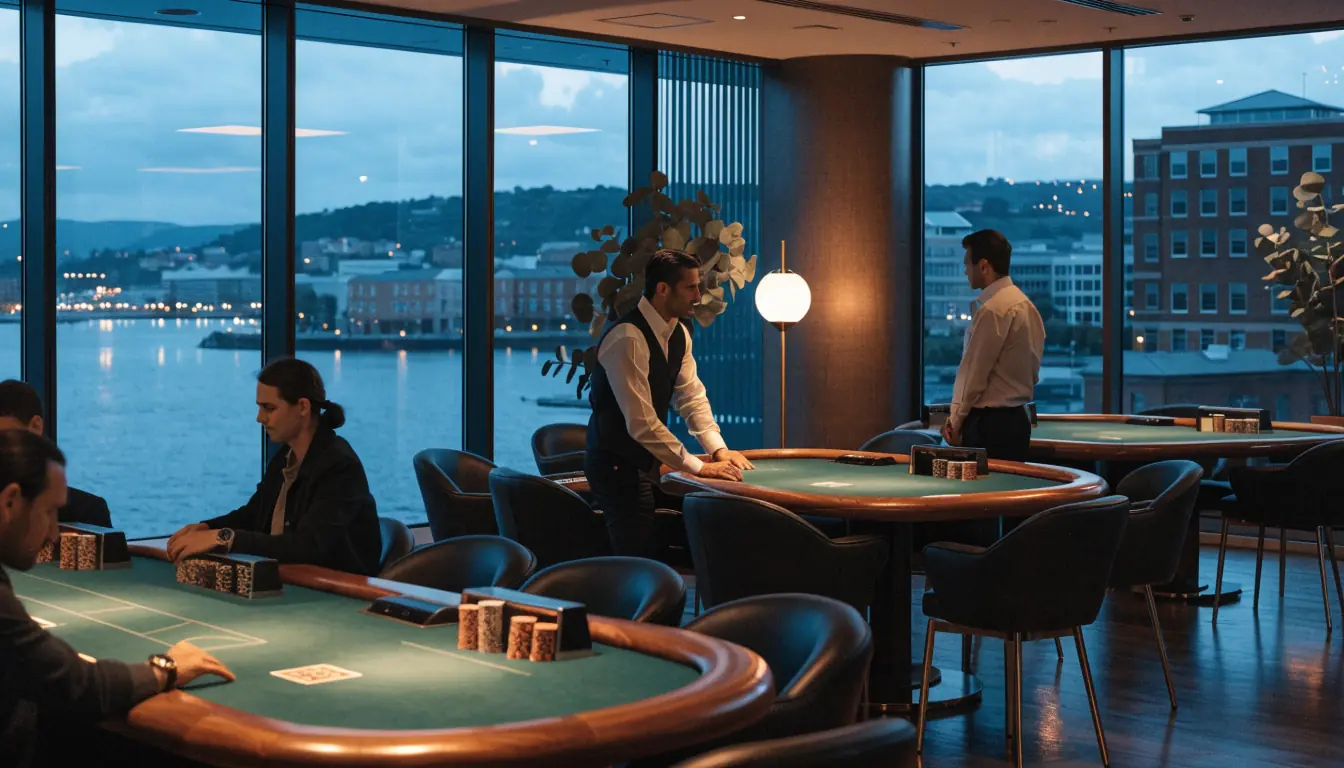
Accommodation linked to the casino is typically structured around a tiered set of room types, ranging from standard rooms suited to short stays through to larger suites intended for longer visits or guests attending events at the complex. Suite-level rooms generally include additional living space and, in some cases, views over the surrounding waterfront area, though the exact configuration and inclusions vary by booking period and should be confirmed directly with the property rather than assumed from general hotel category names.
Room package structures at casino-linked hotels often bundle accommodation with elements such as dining credit, parking, or access to specific facilities within the complex. These packages differ from what a standalone hotel would offer because they are built around the assumption that a portion of the guest’s time will be spent within the casino itself — in gaming areas, at bars, or attending scheduled entertainment. A general city hotel, by contrast, has no reason to structure its packages this way and will not include casino-specific inclusions.
How linked hotels differ from general listings
The key difference between a casino-linked hotel and a general accommodation listing in Darwin is not simply distance. A hotel several blocks away might be closer in walking terms to other attractions, but a property physically integrated with the casino removes the need to plan movement between accommodation and the gaming floor at all. This matters for guests attending late-running shows or events, where returning to a room does not require leaving the building.
General accommodation listings — covered separately from this section — tend to be assessed on criteria such as price, proximity, and standard amenities. Casino-linked rooms are better assessed on their relationship to the complex itself: which floors or wings connect directly to gaming and entertainment areas, whether package deals include vouchers usable within the casino, and how room rates shift around scheduled events at the venue.
Deals and pricing considerations
Deals tied to casino hotel rooms are generally seasonal or tied to specific events at the complex rather than fixed year-round offers. Because room packages are often bundled with on-site inclusions, comparing headline rates against a standalone hotel of similar star rating elsewhere in Darwin can be misleading unless the bundled inclusions are accounted for separately. No universal figures for these deals are published outside individual booking periods, so rates should be checked directly against current listings rather than assumed from past pricing.
One point worth noting for Australian guests: any winnings taken from time spent at the gaming tables or machines during a stay are not subject to tax, a position consistent across Australian jurisdictions and unrelated to the hotel or room package chosen. This is separate from the broader question of how gambling activity contributes to public revenue — gambling-related revenue has historically represented a meaningful share of state and territory taxation, though this figure applies at the level of government finances rather than to any individual guest’s stay or winnings.
Ownership context
The article notes that questions about who owns and operates the Darwin casino are common. Ownership affects loyalty programmes, cancellation policies and package terms, but specific current arrangements are best confirmed directly with the operator.
Ownership context
Questions about who owns and operates the Darwin casino property are common among prospective guests comparing it to independently run hotels in the city. Ownership and management structure affects which loyalty programs, if any, apply across room bookings, dining, and gaming activity, though the specifics of current ownership arrangements are better addressed through the operator’s own disclosures than assumed from general hotel industry patterns. Guests booking a room package should treat the hotel and the casino as a single operating entity for the purposes of loyalty points, cancellation policies, and package terms, even where marketing materials present them as distinct offerings.
Operating Hours, Shows and Entertainment Schedule
Trading hours at a land-based casino follow a different logic from the regulatory constraints that govern online operators under the Interactive Gambling Act 2001. Physical premises licensed by a territory authority operate on published schedules set by the venue itself, subject to territory liquor and gaming conditions rather than the federal prohibitions that apply to remote wagering. Anyone checking hours before a visit should treat the venue’s own notices, posted at entrances and on official contact channels, as the authoritative source, since schedules can shift around public holidays or ahead of scheduled events.
Gaming floors, including the pokies areas and table games, generally run on extended daily schedules that accommodate both daytime visitors and late-night patrons. Access to any gaming offer, whether at the tables or on the machines, is restricted to those aged 18 and over, and identification checks are a standard part of entry during trading hours, not an occasional formality reserved for busy nights.
Show and Entertainment Timing
Live entertainment at the venue is organised around a separate calendar from the gaming floor’s daily trading hours. Musical acts, themed nights and touring performances are scheduled at set times rather than continuously, meaning a visit built around a particular show requires checking that specific date rather than assuming standard casino hours apply. Entertainment programming tends to concentrate around evenings and weekends, when foot traffic through the complex is heaviest, though the exact lineup rotates and is not fixed on a permanent weekly cycle.
Function rooms and event spaces used for larger performances or private bookings typically operate under their own timing, set per booking rather than aligned with the gaming floor’s hours. This distinction matters for anyone planning around a specific act or private function, since arrival times, doors-open policies and last-entry cutoffs for shows do not necessarily mirror when the casino itself opens or closes for gaming.
Employment-Related Scheduling
Rostering at the venue reflects the same split between continuous gaming operations and event-based entertainment. Positions tied to the gaming floor, cashiering and surveillance tend to run across shift patterns that cover the casino’s extended trading hours, including overnight coverage. Roles connected to entertainment programming, hospitality for events and front-of-house staffing for shows are generally scheduled around the specific performance calendar rather than a fixed daily roster. Anyone researching employment at the venue should expect shift structures to vary considerably depending on which side of the operation — gaming floor versus events and entertainment — a role sits within.
Why Timing Details Are Not Standardised
No published national or territory dataset tracks casino trading hours or show schedules the way gambling participation statistics are tracked. Territory-wide data shows that per-capita gambling turnover reached AUD 9,885 in FY 2020–2021, against losses of AUD 1,200 per person, but this figure describes aggregate wagering activity across a financial year, not the operating calendar of any individual venue. There is no equivalent public register of casino opening hours or entertainment timetables comparable to the participation and expenditure figures compiled at a national level.
Schedule changes
Trading hours, show times and event schedules at the Darwin casino can shift around public holidays or special events, so always verify the latest timings directly with the venue before planning your visit.
This gap means visitors cannot rely on any third-party or aggregated source for exact hours; the venue’s own published schedule remains the only reliable reference point, and it should be checked close to the date of any planned visit rather than assumed from general expectations about casino operating patterns. The same applies to jobs tied to entertainment or event shifts, where rosters are set closer to the calendar of scheduled shows than to a fixed weekly pattern.
Parking, Accessibility and On‑site Amenities
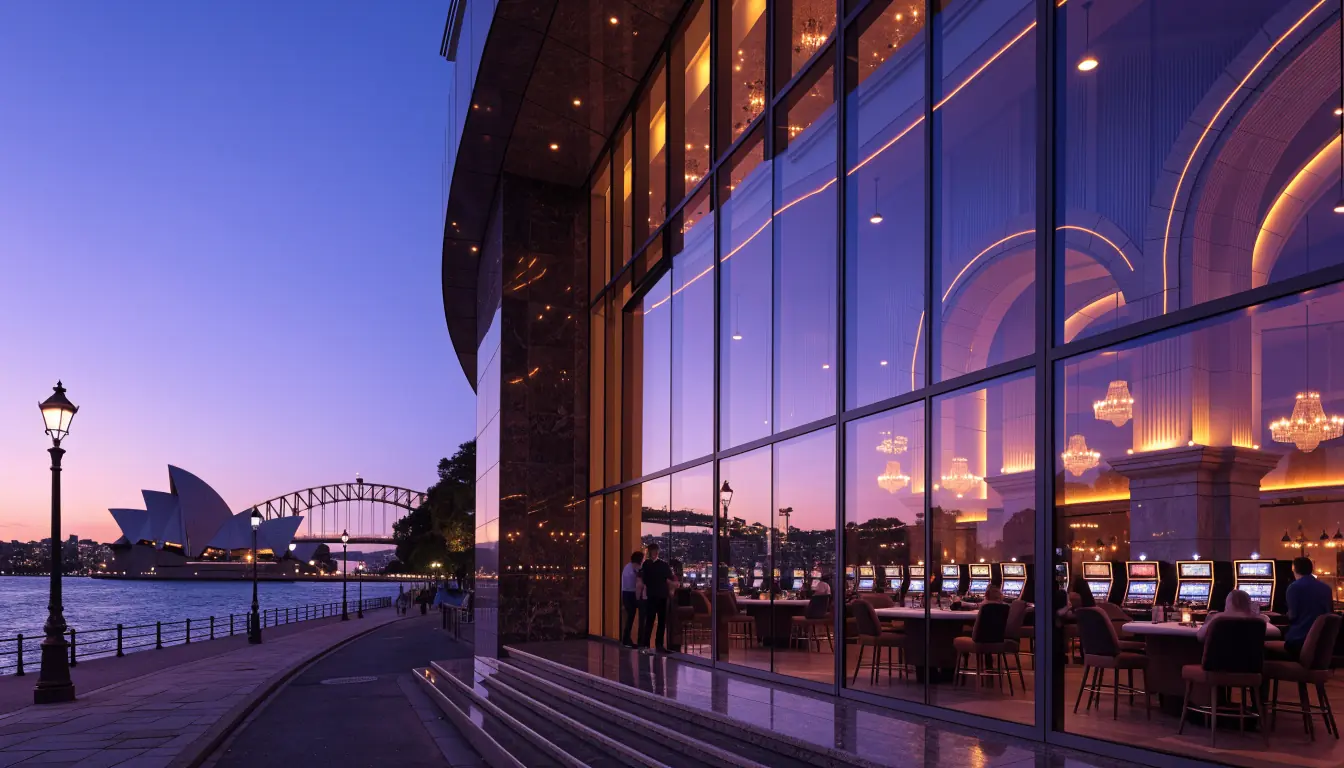
Physical access to the property is straightforward for a venue of its size. On-site parking is provided directly at the complex, with space allocated separately from the areas used for hotel guests, so a casino visit does not require booking a room to secure a spot. Access routes run off the main approach roads into the site, with clear separation between vehicle drop-off points and pedestrian entries into the gaming floor and hotel lobby. Signage at the entrance distinguishes general parking from areas closer to the entertainment and dining precincts, which reduces the need to circle the property looking for the nearest bay during busier evening periods.
Within the complex, amenities extend beyond the gaming floor itself. Dining areas are distributed across the property rather than concentrated in a single hall, giving visitors a choice between quick-service options and sit-down settings without leaving the building. Public spaces connecting the casino, hotel and entertainment areas are designed for foot traffic between these functions, meaning a visitor arriving for a show or a meal is not required to pass back through the gaming floor to reach parking or the exit.
Access for different visitors
The site accommodates a range of visitor needs, from families using the food and leisure facilities during the day to guests attending evening entertainment. Because the property functions simultaneously as a hotel, casino and events venue, circulation paths are built to keep these visitor types from bottlenecking at a single entrance. This matters less as a convenience feature and more as a practical consequence of the venue operating multiple licensed and non-licensed functions under one roof.
The regulatory backdrop to a physical venue
A land-based casino such as this one operates under a different regulatory logic than online gambling in Australia. There is no single overarching statute or single overarching gambling authority regulating gambling in the country; oversight is split between federal and state or territory levels, each responsible for a different slice of the activity. At the federal level, the Australian Communications and Media Authority enforces the Interactive Gambling Act 2001, which governs online and interactive gambling services rather than physical premises. A land-based casino’s day-to-day licensing, gaming floor conduct and on-site operations fall instead under territory-level oversight, separate from the federal framework applied to online betting and interactive gambling.
This split is worth noting because it explains why a physical casino’s parking, amenities and gaming floor are subject to entirely different rules than anything offered online under the same brand. The Northern Territory Racing Commission functions as Australia’s de-facto online gambling regulator in a related but distinct capacity, since it licenses most national online bookmakers that base themselves in the Northern Territory to benefit from a lower tax regime. That licensing role concerns interactive wagering operators, not the physical casino floor, parking structures or dining amenities described here, which are matters of venue-level compliance rather than interactive gambling law.
Regulatory split
Physical casino operations are overseen by territory authorities, while online gambling is regulated federally by the Interactive Gambling Act 2001 administered by ACMA. This division means venue amenities like parking and dining are not subject to the same federal rules as remote betting services.
For visitors, the practical takeaway is that questions about parking availability, accessibility routes and on-site facilities are governed by the venue’s own operating standards and territory-level requirements for physical premises, not by the federal framework that applies to online gambling. Anyone researching the property alongside broader gambling regulation in Australia should keep this distinction in mind: the ease of finding a parking bay or a dining table on-site has no bearing on, and is not regulated by, the same authority that oversees interactive betting products nationally.
Contact Details, Bars and Event Services
Visitors seeking to confirm details before travelling to Darwin’s casino complex can do so through a general enquiries line, published on the venue’s own site rather than through third-party directories, which are not always kept current. Written correspondence is handled more slowly than phone enquiries, so anything time-sensitive — table availability, a private event booking, a query about a scheduled show — is better resolved by calling ahead rather than emailing.
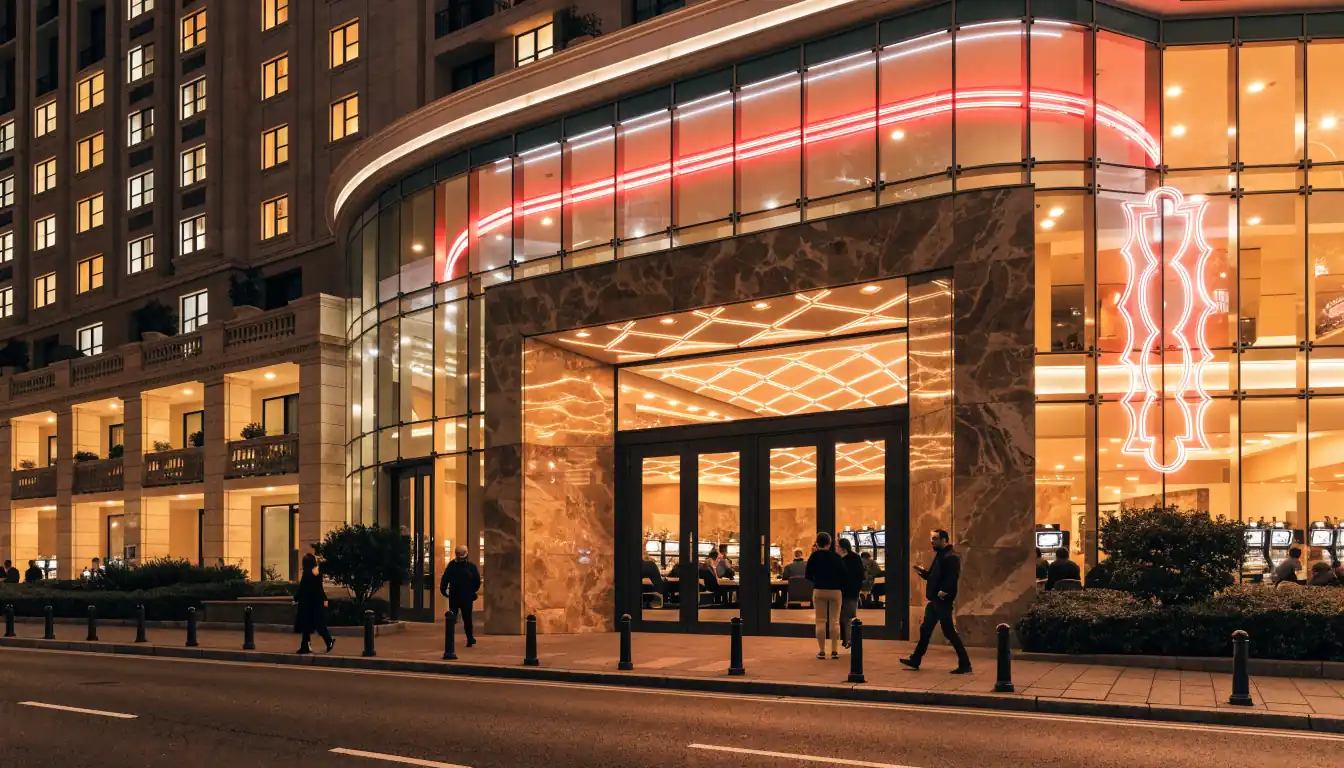
The property sits on the Mindil Beach foreshore, a location that most Darwin street maps mark clearly given its status as one of the city’s more recognisable landmarks. Visitors arriving by car or taxi typically navigate toward this stretch of the Casuarina Coastal Reserve side of town rather than the central business district, a distinction worth noting since the two areas are sometimes confused by first-time visitors relying on incomplete directions.
Bars on the Premises
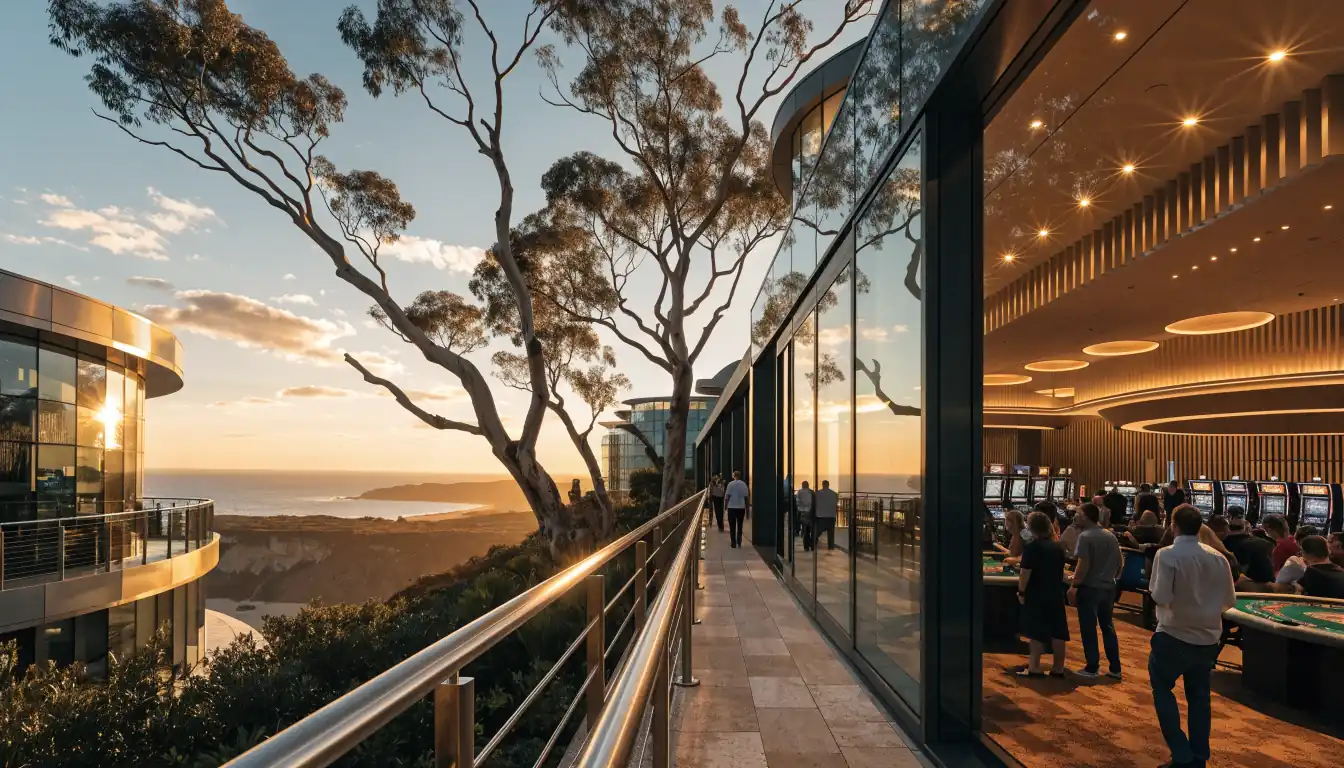
The complex operates more than one bar, positioned to serve both gaming areas and general foreshore patrons who may not be there to gamble at all. Bar service generally runs alongside the casino’s own operating rhythm, meaning patrons should not expect bar hours to diverge meaningfully from the gaming floor’s own schedule — though the precise timing of last drinks service is not something published consistently across sources, and is best confirmed directly with venue staff rather than assumed.
Event and Function Services
Beyond day-to-day gaming and drinking, the venue offers function and event services aimed at private bookings, corporate functions and larger gatherings tied to its broader entertainment calendar. These services are coordinated separately from standard table or restaurant reservations, and enquiries about hosting an event — room hire, catering arrangements, audiovisual needs — are typically directed to a dedicated events contact rather than the general enquiries line. Table games mentioned in connection with the venue, including baccarat, are part of the standard gaming floor offering rather than the event services function, and questions about game availability on a given night are better addressed to the gaming floor directly than to event staff.
A Note on Online Contact
It is worth stating plainly that any contact point discussed here concerns the physical, land-based casino in Darwin. No online extension of this venue, or any other Australian casino, can legally offer real-money casino games — slots, blackjack, roulette or similar — to residents of Australia. Sources differ on which piece of Commonwealth legislation carries this prohibition: some cite the Interactive Gambling Act 1997, others the Interactive Gambling Act 2001, and this discrepancy appears in the public record itself rather than being resolved one way or the other here. What is consistent across accounts is that the law targets operators, not individual players — an Australian resident who chooses to play at an offshore-licensed online casino is not committing an offence by doing so, even though no domestic operator is permitted to offer such games. Anyone contacting the Darwin venue about its physical gaming floor, bars or events should not assume any equivalent online booking or gaming channel exists under the same licence.
Illegal online gambling
No Australian licence permits real‑money casino games to be offered online to Australian residents; attempting to use an unlicensed offshore service can expose users to legal and financial risks.
Buffet and Breakfast Options at Darwin Casino
Food service data specific to individual buffet pricing, seasonal menu rotations, or seafood-spread compositions is not published in any verifiable source available for this overview, so no cost figures, dish counts, or promotional terms are stated here. What can be said with confidence concerns the general structure of dining service tied to a casino resort of this type, without inventing specifics that no operator has disclosed.
A casino resort built around gaming floors, hotel rooms and event spaces typically organises its food service around a central buffet-style venue, supplemented by breakfast service for overnight guests and day visitors. This pattern is standard across large Australian gaming venues, where a single large dining hall serves multiple functions across the day rather than operating as a series of separate, narrowly defined restaurants. The buffet format allows a resort to serve breakfast crowds early and shift toward broader offerings, including seafood, later in the day — a structure consistent with what is generally described for venues marketed as "resort" properties rather than standalone gaming halls.
What remains unconfirmed
Menu composition, whether a dedicated seafood buffet operates on fixed days, exact breakfast hours, and whether buffet access is bundled with hotel room rates or sold separately are not detailed in any source reviewed for this article. Readers seeking exact serving times or current buffet pricing should treat any third-party listing with caution unless it originates directly from the venue’s own published schedule, since aggregator sites frequently carry outdated information for hospitality services attached to gaming venues.
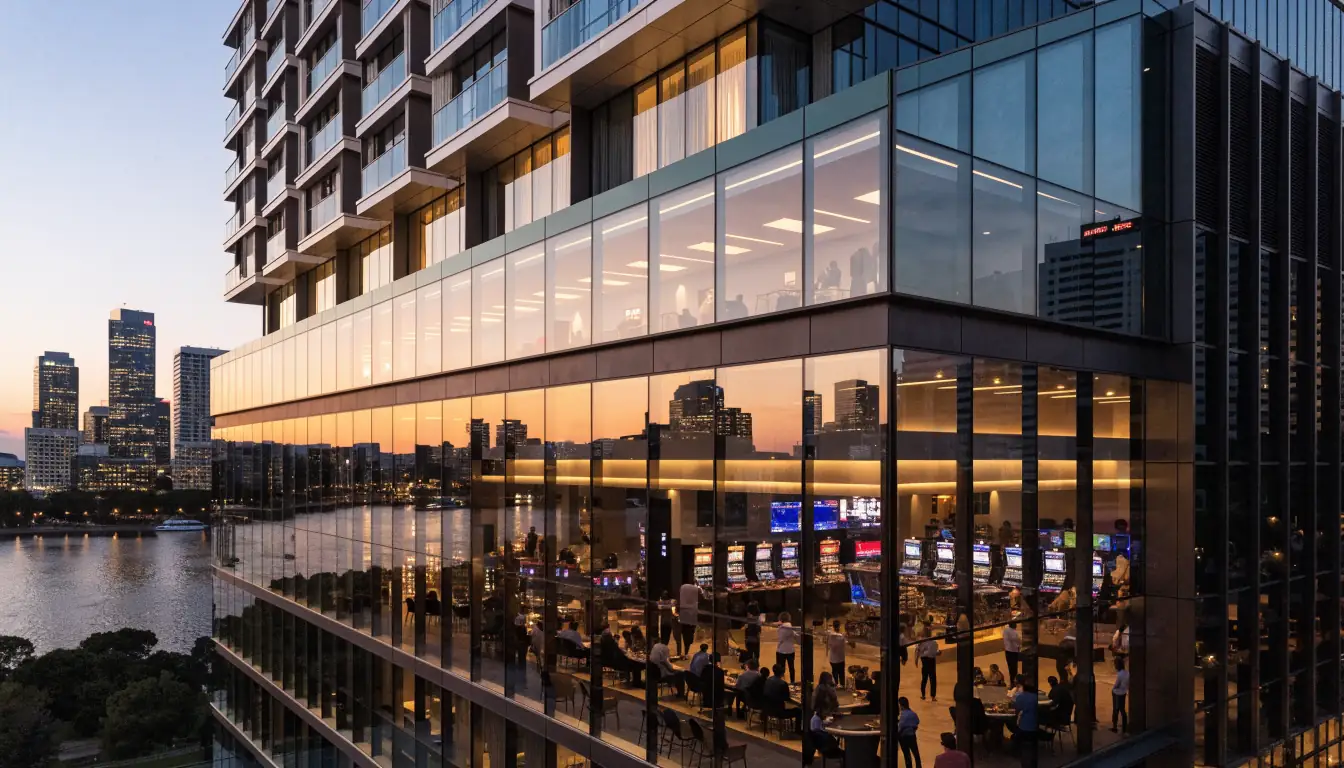
Context: dining sits inside a regulated environment
Buffet and breakfast services at a land-based casino are not gambling products themselves, but they operate inside a venue subject to the same jurisdictional oversight that governs the gaming floor. This matters for one practical reason: any loyalty or rewards scheme that links dining credits to gaming activity — a common structure at resort casinos — falls under the same age threshold applied to gambling generally. The minimum legal gambling age in Australia is 18, and this applies to any rewards program that ties food, beverage or accommodation perks to a casino membership card, not only to wagering itself.
This distinction is worth noting given that gambling participation among younger age groups is not negligible. Approximately 30% of 12–17-year-olds engage in gambling in some form nationally, and a measurable share of Australian adults — estimated at 80,000 to 160,000, or roughly 0.5–1.0% of the adult population — experience significant gambling problems. Neither figure is specific to Darwin or to this venue, but both underline why age verification at rewards-linked dining and gaming counters is not a formality; venues that blend hospitality perks with casino membership are required to apply the same 18-plus threshold consistently across both.
For visitors planning a trip primarily around dining rather than gaming, the safest approach is to confirm current buffet days, breakfast hours and any seafood-specific service directly with the venue before travel, since no independent source consulted here provides a verified, current schedule.
Buffet details unverified
Specific buffet pricing, menu rotation and seafood‑spread composition are not publicly disclosed, so travellers should confirm current offerings directly with the casino before relying on third‑party information.
Visitor Guidelines: Dress Code, Age Requirements and Etiquette
Physical casino venues in Australia operate under a distinct legal basis from online gambling. While the Interactive Gambling Act 2001 prohibits online casino games, poker, and in-play betting from being offered to Australians, land-based venues such as Darwin’s casino floor are licensed and regulated separately at the territory level, which is why gaming tables and pokies can legally operate on-site even though equivalent products cannot be offered to Australian residents online.
Age requirements
Entry to the gaming floor requires proof that a visitor has reached the minimum legal gambling age of 18. This threshold is not specific to Darwin — it applies uniformly across venues covered by the Interactive Gambling Act’s broader framework — but on-site enforcement is stricter than online age gates, since staff check identification physically at entry points rather than relying on self-declared birth dates. Visitors without valid photo identification should expect to be refused entry to gaming areas regardless of apparent age.
Dress code
Casino floors generally expect neat, presentable attire. This typically excludes:
- Beachwear, including thongs (flip-flops) worn without other appropriate footwear
- Singlets and sleeveless tops for men in the main gaming areas
- Clothing bearing offensive imagery or language
- Work attire that is visibly soiled or unsuitable for an indoor entertainment venue
Standards tend to be more relaxed in food court and casual bar areas than on the gaming floor itself, and evening hours often correspond to stricter enforcement than daytime visits. Visitors travelling from the Darwin waterfront precinct in summer clothing should plan to bring a change of attire if they intend to gamble rather than simply dine or watch entertainment.
General etiquette
Table game etiquette follows conventions common to Australian casinos: chips are placed rather than thrown, hand signals are used to confirm decisions at blackjack and similar games, and dealers expect verbal bets to be confirmed before cards are dealt. Mobile phone use at active tables is commonly discouraged, as it can slow play for other patrons.
Responsible gambling signage and self-exclusion information are typically displayed near entrances and cashier points, consistent with harm-minimisation obligations that apply across Australian gambling venues. Visitors are generally expected to respect posted limits on photography near gaming tables, both for the privacy of other patrons and for security reasons specific to cash-handling areas.
These guidelines cover conduct and access rather than the venue’s operating hours, facilities, or contact arrangements, which are addressed separately.
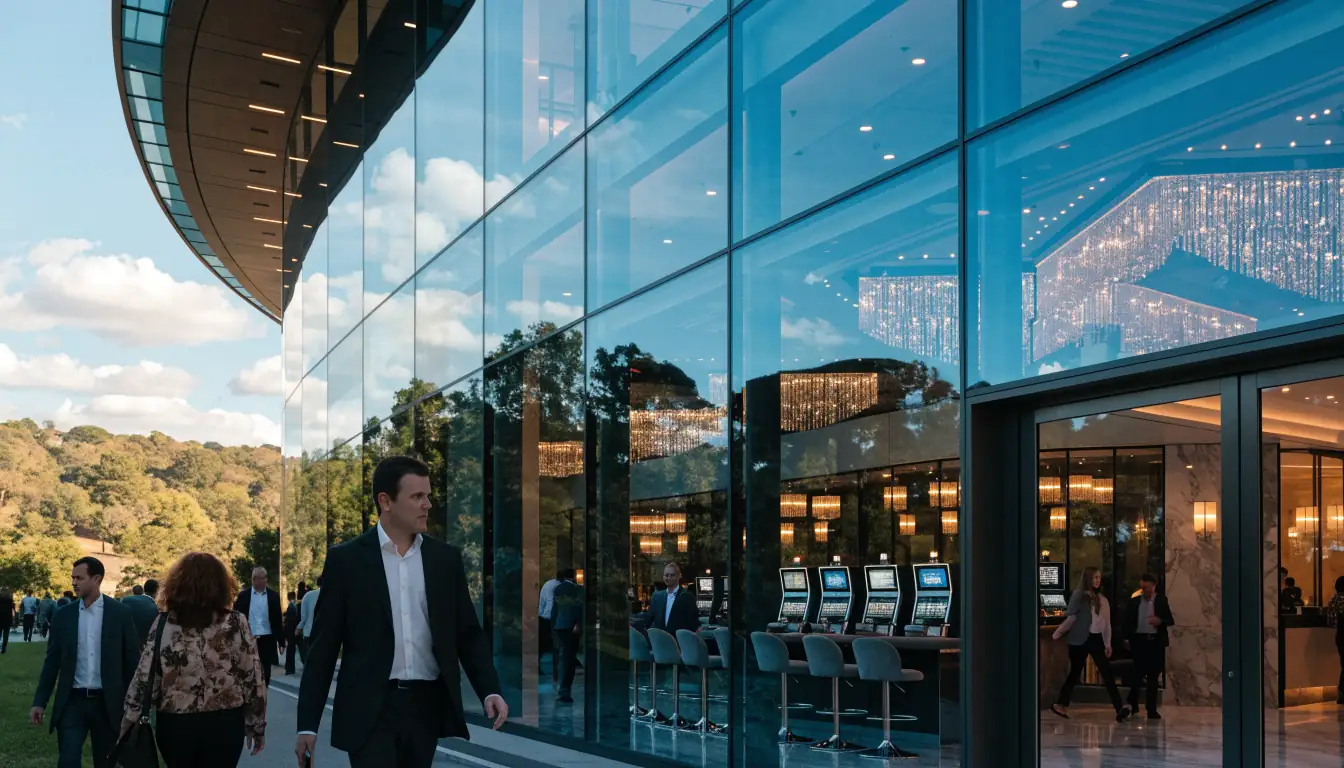
Restaurants Inside the Casino – Cuisine Variety
Dining at the Darwin casino complex spans several distinct venues rather than a single kitchen, and each targets a different kind of visit — a quick meal between sessions on the pokies, a sit-down dinner, or drinks with a view over the harbour. The mix reflects what a resort-style property in the Northern Territory tends to offer: something for a casual lunch, something formal for evenings, and at least one venue built around the rooftop setting rather than the food itself.
What kinds of cuisine are represented
Casino restaurant offerings of this type typically fall into a few recognisable categories, without any single outlet claiming to outrank the others:
- Modern Australian dining, built around local produce and a menu that changes with the seasons rather than staying fixed year-round.
- Asian-influenced cuisine, reflecting Darwin’s proximity to Southeast Asia and the broader Territory population’s dining habits.
- Steakhouse-style grill dining, aimed at guests wanting a more traditional, protein-focused evening meal.
- Casual and café-style food, suited to guests moving between the gaming floor and other parts of the complex without committing to a long sit-down meal.
- Bar and rooftop food service, where the menu supports drinks rather than acting as a full restaurant experience.
This spread is fairly standard for a casino resort of this scale — it covers a full evening dining occasion at one end and a fast bite at the other, with the rooftop bar sitting somewhere in between as a food-and-drinks venue rather than a restaurant proper.
Rooftop dining and views
The rooftop bar is worth separating from the restaurant list because its appeal is largely about setting. Elevated above the casino complex with views over the water, it functions as a drinks-first venue with a food menu that supports rather than headlines the experience. Visitors looking specifically for a formal dining occasion are better served by the sit-down restaurants elsewhere in the complex; those wanting a relaxed evening with a view tend to gravitate to the rooftop instead.
Choosing between venues
None of the restaurants inside the casino are formally ranked against one another by the venue itself, and this section does not attempt to rank them either. The practical distinctions that matter to most visitors are:
- Whether the occasion calls for a formal sit-down meal or a casual, quick option.
- Whether cuisine preference leans toward modern Australian, Asian-influenced, or grill-style dining.
- Whether the goal is food itself or a drinks-and-view experience, which points toward the rooftop bar rather than the restaurants proper.
Buffet and breakfast service, along with food court options, are covered separately, since they operate on a different model from the sit-down restaurants described here.
Nearby Accommodation – Hotels and Short‑term Rentals
Visitors who prefer not to book the casino’s own hotel have a range of alternatives within reach of Darwin’s waterfront precinct. The surrounding area, including the CBD and the Cullen Bay and Darwin Waterfront districts, hosts a mix of mid‑range and upscale hotels, serviced apartments, and short‑term rental properties, giving travellers options that differ in price point, room configuration and distance to the gaming floor without relying on the on‑site property covered elsewhere.
Hotel options in the surrounding precinct
Independent hotels in Darwin’s city centre typically sit a short drive or taxi ride from the casino, making them a practical choice for those who want proximity without the premium attached to staying directly on-site. Serviced apartment complexes are also common in this part of Darwin, appealing to longer‑stay visitors or those travelling in groups who need self‑catering facilities such as kitchenettes and laundry access — amenities not always available in standard hotel rooms.
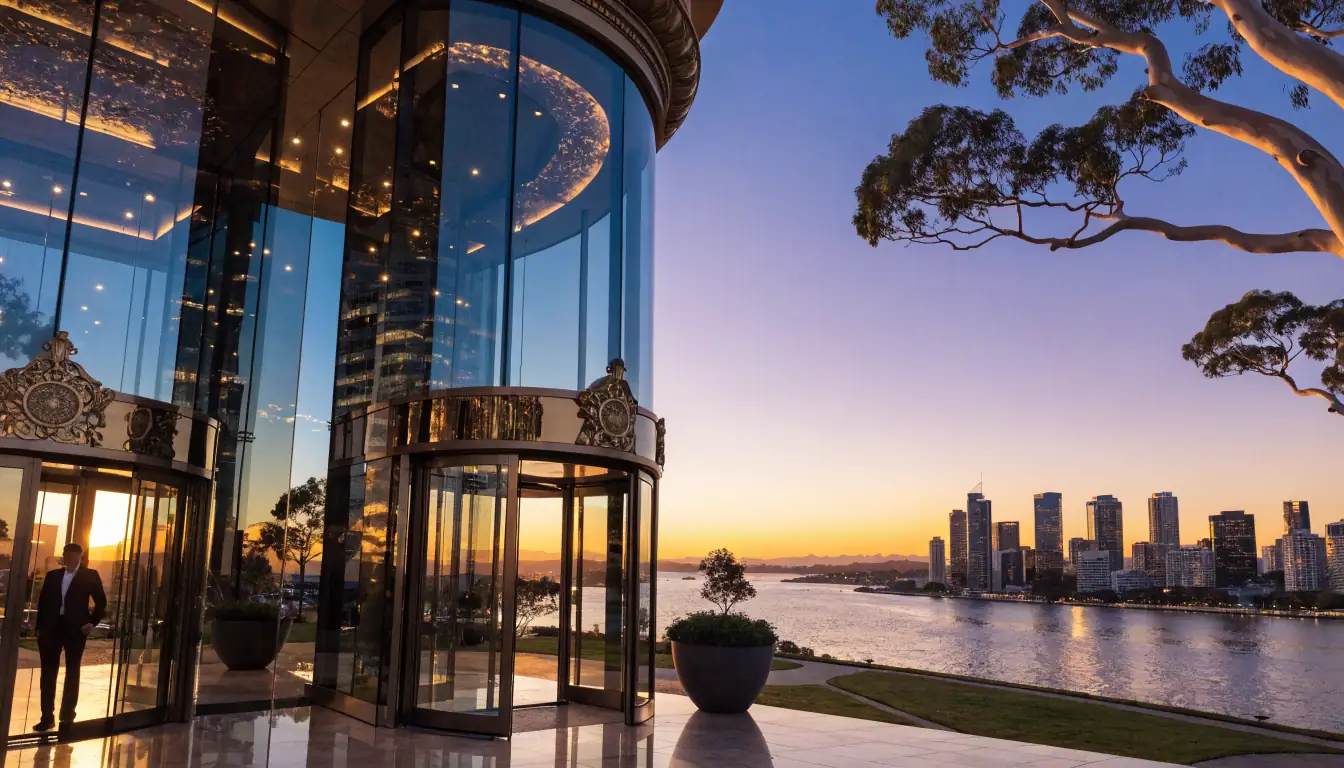
Short‑term rentals
Short‑term rental listings, sourced through established booking platforms, add a further layer of choice. These properties range from apartments to standalone houses and are generally located across Darwin’s inner suburbs, offering an alternative for visitors prioritising space or a residential setting over hotel-style service. Availability and pricing fluctuate with the tourism season, and travellers booking during peak periods should expect tighter supply than in quieter months.
Choosing by proximity
For visitors whose primary interest is the casino itself, proximity remains the main variable distinguishing one property from another. Accommodation directly within the waterfront precinct reduces travel time to a walk, while options further into the CBD or outer suburbs require a short commute by car, taxi or ride-share. Neither category offers a formal advantage in terms of casino access — entry conditions and age requirements apply uniformly regardless of where a guest is staying, and no external hotel or rental provider has any bearing on gaming floor access.
Practical considerations
| Accommodation type | Typical location | Best suited for |
|---|---|---|
| CBD hotels | Darwin city centre | Short stays, walkable dining and transport |
| Serviced apartments | CBD and near-waterfront | Longer stays, groups, self-catering |
| Short-term rentals | Inner suburbs and waterfront | Space, privacy, flexible booking |
None of these external options are affiliated with the casino operator, and any promotional pricing or seasonal deals advertised by independent hotels or rental hosts are set by those businesses rather than by the casino itself. Visitors comparing accommodation should treat casino‑linked packages and independent bookings as separate decisions, since inclusions, cancellation terms and check‑in arrangements are not standardised across providers. As with any accommodation booking in Australia, consumer protections applicable to hotel and rental contracts sit outside the gambling regulatory framework altogether and are governed by standard consumer law rather than gaming legislation.
Recreation Facilities: Food Court, Pool and Leisure Areas
Beyond the gaming floor and its dining venues, the Darwin casino complex sits within a broader leisure precinct that gives visitors reasons to stay for a full day rather than a single evening. The site’s waterfront setting has historically shaped its layout, with recreation areas arranged to take advantage of views over the harbour rather than being tucked behind the gaming areas.
A swimming pool for on‑site guests, providing a leisure alternative to the indoor gaming environment.
Fast‑service eateries offering quick, affordable meals for casual visitors and day‑trippers.
Open‑air seating and walkways that connect the pool, food court and accommodation wings, designed for the tropical climate.
A pool area forms part of the complex’s leisure offering, functioning separately from the restaurant and buffet facilities covered elsewhere. Positioned for guests staying on-site, it serves as a counterpoint to the enclosed, climate-controlled gaming rooms — a place to spend daylight hours before returning for evening entertainment. Sun loungers and shaded seating typically accompany pool areas of this kind at Australian resort-casinos, though the exact configuration at any given time depends on ongoing maintenance and seasonal use.
A food court operates independently of the sit-down restaurants and the buffet service described in earlier sections of this guide. Food courts in casino complexes generally offer faster, lower-cost options aimed at casual visitors, day-trippers and those passing through rather than guests planning an extended meal. This distinguishes the format from table-service dining, where the pace and price point are markedly different.
Other leisure areas within the complex round out the recreational offering. These typically include outdoor spaces suited to Darwin’s tropical climate, communal seating areas away from the gaming floor, and walkways connecting the pool, food court and accommodation wings. The layout reflects a broader pattern common to Australian casino resorts, where non-gaming leisure infrastructure is used to extend average visit length and appeal to guests travelling with family.
None of these facilities require identity verification or age checks in the way gaming areas do, though venue-wide entry conditions — covered under visitor guidelines elsewhere in this guide — still apply across the site. The distinction matters for visitors planning a trip that combines gambling with general recreation: pool access, food court dining and outdoor leisure spaces are generally open to a wider range of guests than the gaming floor itself, subject to the complex’s own house rules.

Regulatory Landscape for Gambling in Australia
Gambling venues such as land-based casinos operate within a regulatory structure that has no single overarching statute or single national authority. Regulation is split between state and territory bodies, which license and oversee physical premises, gaming machines, and wagering conducted within their borders, and federal law, which addresses gambling activity conducted online or across jurisdictional lines. This division means that a casino’s licence to operate, and the rules governing its poker machines, dining licences, and on-site wagering, sit with territory authorities rather than a Commonwealth agency.
At the federal level, the Australian Communications and Media Authority (ACMA) is the regulator responsible for enforcing the Interactive Gambling Act 2001, the Commonwealth law that governs the provision of interactive gambling services. ACMA’s remit is directed at online and remote gambling services rather than the day-to-day licensing of physical casino floors, which remains a territory-level function. This split is a structural feature of Australian gambling law generally, and it applies as much to venues in the Northern Territory as to those elsewhere in the country: the physical operation of a casino is licensed and supervised locally, while any interactive or online gambling offering is subject to separate federal oversight administered by ACMA.
For visitors, the practical effect of this two-tier system is that questions about a casino’s gaming floor, its licensing, and its house rules are matters for territory-level regulation, while any online gambling activity — regardless of where the operator is based — falls under the federal framework enforced by ACMA. The two layers do not overlap in a single set of rules, and no single regulator can answer for both.
What are the best online casinos in Australia for 2026?
There are no domestically licensed real-money online casino operators available to Australian players, as offering online casino gambling is prohibited under the Interactive Gambling Act 2001. However, it is not illegal for individuals to play at offshore-licensed online casinos.
How can a player verify that an online casino holds a valid licence in Australia?
Domestic online casino licences do not exist in Australia, making such verification impossible. The Northern Territory Racing Commission licenses national online bookmakers for legal sports betting, while the Australian Communications and Media Authority enforces federal laws against prohibited online casino operators.
How did Covid‑19 lockdowns affect land‑based casinos and boost online gambling?
The Darwin casino complex experienced periods of closure and refurbishment tied to broader economic conditions affecting the Northern Territory’s tourism sector. Consequently, physical gaming venues faced operational disruptions, which contrasts with the online sector operating under separate federal rules.
What is the process of applying for a Licence for a Relevant Product?
It is not possible to obtain a licence to operate an online casino domestically in Australia, as it is illegal to offer online casino gambling under the Interactive Gambling Act 2001. The Northern Territory Racing Commission licenses national online bookmakers, but online casino gaming remains prohibited.