Pokies Open Near Me in Australia: Availability by State
 Available in US
Current Availability of Pokies Across Australia
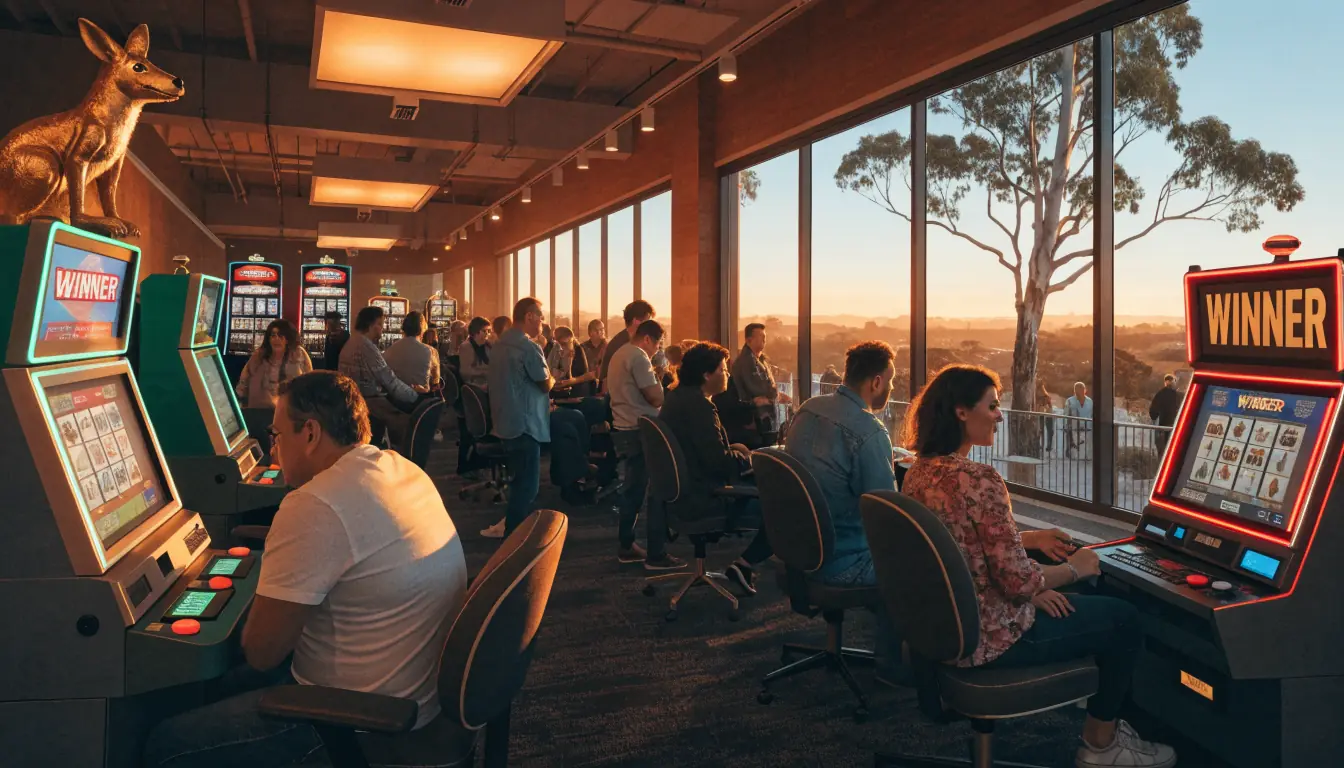
Electronic gaming machines operate across every Australian state and territory, including the Australian Capital Territory and the Northern Territory. There is no jurisdiction on the mainland or in Tasmania where pokies are absent from the licensed venue landscape. This uniformity of presence, however, does not mean uniformity of access: the density of machines, the type of venue that hosts them, and the regulatory body overseeing them differ from one jurisdiction to another. Anyone searching for a venue with pokies operating "now" is, in practice, searching within one of three broad venue categories that recur nationally — hotels and pubs, registered clubs, and casinos — each governed by a separate licensing regime even within the same state.
The scale of the pokies footprint
The size of Australia’s pokies sector is easier to state in financial terms than in machine counts, because turnover and loss figures are collected more consistently than venue-level machine inventories. In the 2020–2021 financial year, Australians placed bets amounting to almost AUD 150 billion on electronic gaming machines. Player losses for the same period totalled about AUD 12 billion, which translated into a per-capita loss of AUD 608 across the adult population. These figures describe a national pool of activity rather than the experience of any single venue, but they establish that the machines a visitor encounters in a suburban pub or a licensed club are part of a betting volume that runs into tens of billions of dollars annually, not a marginal or declining segment of the leisure economy.
Since real-world pokies venues aren’t open around the clock, many players compare online options that offer a similar range of slot action anytime, from anywhere in Australia.
License: Curacao OGL/2024/1335/0780 · Bonus: up to A$1,000 + 150 free spins, wager-free · Min. deposit: EUR 20 Licensed under Curacao OGL, this operator stands out with a wager-free welcome bonus of up to A$1,000 plus 150 free spins, and a low minimum deposit requirement.
License: Curacao Gaming Control Board OGL/2023/176/0095 (Hollycorn N.V.) · Bonus: up to A$1,500 + 200 free spins across 3 deposits Operating under a Curacao Gaming Control Board license via Hollycorn N.V., it offers a substantial multi-deposit welcome package of up to A$1,500 plus 200 free spins.
Bonus: 240% up to A$4,100 + 300 free spins Notable for a high-percentage welcome offer of 240% up to A$4,100 along with 300 free spins.
License: Curacao Gaming Control Board · Bonus: up to A$5,000 + 400 free spins Licensed by the Curacao Gaming Control Board, it features a large welcome bonus of up to A$5,000 plus 400 free spins.
License: Curacao · Bonus: up to A$10,000 multi-stage + 500 free spins · Min. deposit: A$20 (POLi) Curacao-licensed with a sizeable multi-stage bonus reaching up to A$10,000 plus 500 free spins, and a low minimum deposit via POLi.
License: Curacao eGaming (Dama N.V.) · Bonus: up to A$10,000 + 180 free spins, 40x wagering Operating under a Curacao eGaming license through Dama N.V., it offers a bonus of up to A$10,000 with 180 free spins, subject to 40x wagering.
License: Curacao · Bonus: 100% up to A$500 + 200 free spins, 10x wagering · Payout speed: crypto 30-60 minutes, fiat 1-5 days · Min. deposit: A$10 Curacao-licensed with a 100% bonus up to A$500 plus 200 free spins at a manageable 10x wagering requirement; payouts are fast via crypto, with fiat withdrawals taking a few days, and the minimum deposit is low.
License: Curacao · Bonus: up to A$2,000 A Curacao-licensed operator offering a welcome bonus of up to A$2,000.
License: Curacao Gaming Control Board OGL/2023/176/0095 (Hollycorn N.V.) · Bonus: up to A$11,000 + 300 free spins (code NEO100) Licensed under the Curacao Gaming Control Board via Hollycorn N.V., it provides a large bonus of up to A$11,000 plus 300 free spins, redeemable with a bonus code.
License: Tobique Gaming Commission · Bonus: up to A$8,000 + 400 free spins across 4 deposits · Payout speed: crypto ~10-15 minutes, fiat 1-5 days · Min. deposit: A$30 Licensed by the Tobique Gaming Commission, it offers a multi-deposit bonus of up to A$8,000 plus 400 free spins, with quick crypto payouts and fiat withdrawals taking a few days.
A separate figure, reported for 2023, put pokies-related gambling turnover at AUD 191.2 billion. This number comes from a single source — complyadvantage.com — and it is not clear whether "turnover" here is defined the same way as the "bets placed" figure from the 2020–2021 financial year reported elsewhere. The two numbers should not be read as directly comparable data points showing growth over two years; they may reflect different measurement methods applied to different reporting periods. What can be said is that both figures, drawn from different sources and different years, describe an industry operating at a scale of tens or hundreds of billions of dollars in turnover, not a marginal activity confined to a handful of venues.
On the question of how Australia’s machine count compares internationally, the available figures conflict outright rather than merely varying by methodology. One source states that Australia accounts for 3% of the world’s pub and club poker machines. Another states that Australia accounts for about 18% of the world’s poker machines. These are not close estimates that can be reconciled by rounding — they differ by a factor of six — and no explanation is available here for why the two figures diverge this sharply. It may reflect different definitions of "poker machine" (casino machines versus pub and club machines specifically), different reference years, or different counting methods for jurisdictions outside Australia. Without knowing which definition each source used, neither figure can be presented as the settled answer, and both are noted here so that the discrepancy itself is visible rather than silently resolved in favour of one number.
Venue types where pokies operate
Pokies are installed in three main categories of venue across the country, and the category matters more than the state when a person is trying to locate a machine at a given hour.
Pubs and hotels. Licensed hotels are the most numerically widespread venue type carrying pokies. A hotel licence permits the sale of alcohol together with a smaller allocation of gaming machines than clubs or casinos typically hold, and hotels tend to be located in suburban and regional areas rather than concentrated in city centres. Because hotels are numerous and dispersed, they are usually the closest pokies venue to any given residential address, which is why they feature heavily in local searches for a nearby venue rather than in searches for a specific casino brand.
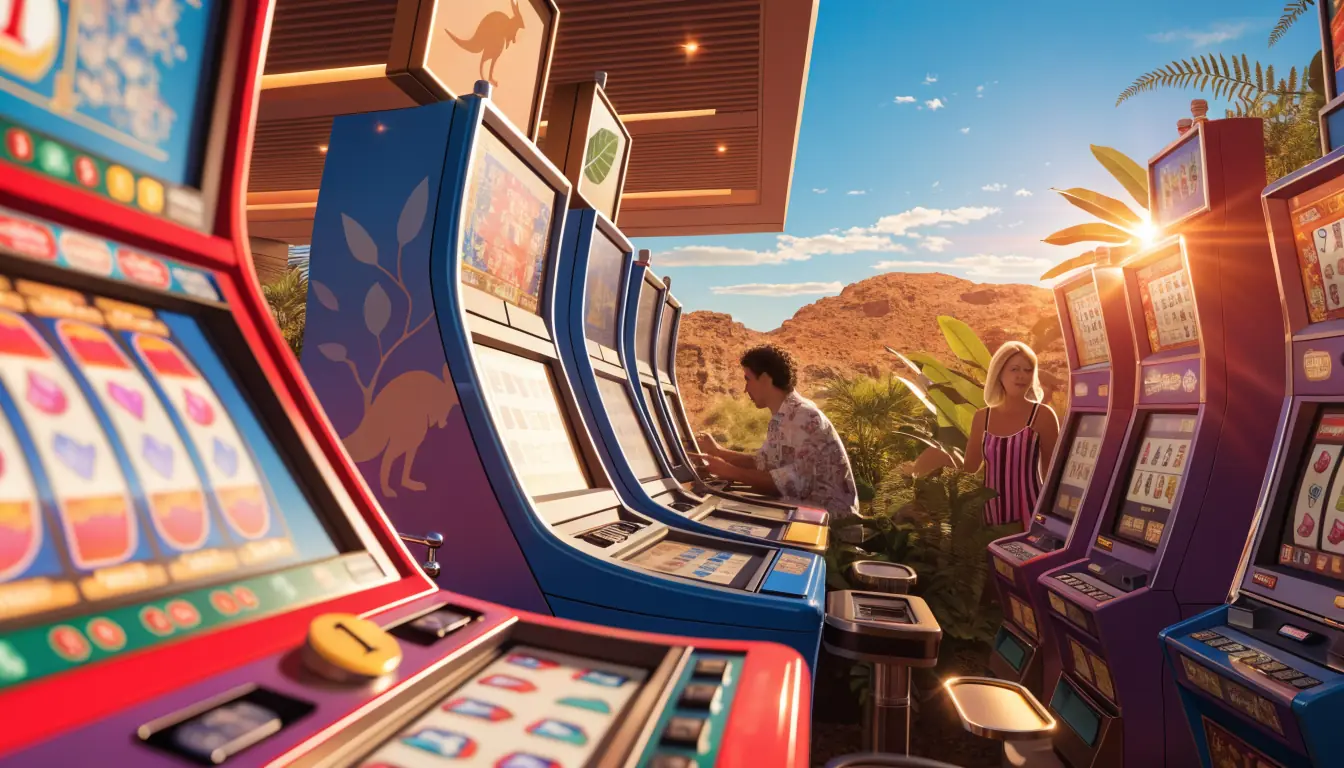
Registered clubs. Clubs — RSL clubs, leagues clubs, bowling clubs, and similar membership-based venues — represent the second major category. Clubs generally hold larger gaming machine allocations than individual hotels, reflecting their historical role as community and sporting institutions that used gaming revenue to subsidise other member services. Club pokies rooms are often larger than a hotel’s, and a single club can house a substantial share of a local government area’s total machine count. Entry to a club is nominally restricted to members and their guests, though most clubs offer visitor sign-in at the door, so this rarely functions as a meaningful barrier to a first-time visitor asking whether pokies are available on the premises.
Casinos. Casinos form the third category and differ from pubs and clubs in that each state or territory typically licenses a small number of casino operators — sometimes only one — under dedicated casino legislation rather than the general liquor and gaming licensing framework that governs pubs and clubs. Casino gaming floors house pokies alongside table games, and because casinos are built around extended or continuous trading, they are the venue type most associated with the idea of a pokies floor that never closes. Casino licensing sits under statutes such as the Casino Control Act 1992 in New South Wales, which has since been amended to give regulators the power to fine casino operators for compliance failures — a matter more directly relevant to enforcement than to availability, but indicative of how differently casinos are regulated compared with the general pool of hotels and clubs.
Across all three venue types, the pattern holds nationally: pokies are widely used in Australian pubs, clubs, and casinos, without any state or territory excluding one of these venue categories altogether. What varies is the balance between them — some jurisdictions lean more heavily on club-based gaming, others distribute machines more evenly between hotels and clubs, and casino gaming remains a separate, smaller-in-number but higher-profile layer on top of both.
Regulatory oversight by jurisdiction
Because gambling regulation in Australia is a state and territory responsibility rather than a single national scheme, the body that licenses and monitors pokies changes depending on where a venue is located. This regulatory patchwork does not create gaps in availability — pokies operate everywhere — but it does mean that a rule encountered in one state’s liquor and gaming authority material will not necessarily apply verbatim in another.
In Queensland, oversight of gaming machines falls to the Office of Liquor and Gaming Regulation. In the Australian Capital Territory, the ACT Gambling and Racing Commission performs the equivalent function. In New South Wales, gambling matters intersect with both the state government and law enforcement bodies such as the NSW Crime Commission, particularly where questions of financial crime and machine-based money laundering arise — a subject examined in more detail in the discussion of cash transactions elsewhere in this article, but relevant here in that it shapes how NSW venues report and monitor machine activity compared with venues in other states. At the federal level, AUSTRAC oversees anti-money-laundering compliance for gaming venues regardless of which state they sit in, layering a national compliance requirement on top of state-based licensing.
This structure means that a venue’s opening hours, machine allocation limits and reporting obligations are set at the state or territory level, while its anti-money-laundering obligations are set federally through AUSTRAC. A pokies venue in Victoria and a pokies venue in Queensland are both accountable to AUSTRAC on the same terms, even though their state gaming regulators differ and may set different local rules for machine numbers or venue conduct.
What determines whether a machine is "available" on a given day
The presence of pokies in a state, or even in a specific venue, is a separate question from whether a machine is switched on and accessible at the moment someone walks in. Three factors determine practical, day-to-day availability, and each is a matter for individual venues rather than a nationwide rule:
- Venue licensing category. A hotel’s gaming machine licence differs from a club’s or a casino’s, and the licence category can affect how many machines a venue is permitted to operate and under what conditions.
- Local venue policy. Individual pubs and clubs set their own trading patterns within the bounds of state liquor licensing law, so two venues in the same suburb can have different pokies-room hours even though both are subject to the same state regulator.
- Membership or entry requirements. Clubs may require visitor sign-in, which does not prevent access but does add a step that a hotel or casino visitor would not encounter.
None of these factors is captured by a single national figure, and no source consulted here publishes a live, venue-by-venue register of which machines are switched on at a given time. A person trying to determine whether a specific nearby venue has pokies running at a specific hour is, in effect, asking a question that only the venue itself can answer on the day — state-level licensing data confirms that the category of venue is permitted to operate machines, not that a particular machine is in service at a particular moment.
Cross-border comparison within Australia
There is no published breakdown here of machine counts by individual state or territory, so it is not possible to rank jurisdictions by pokies density with the facts available. What can be said with confidence is limited to the following:
- Every state, the ACT and the Northern Territory host operating electronic gaming machines.
- Pubs, clubs and casinos are present as venue categories in all of these jurisdictions.
- Regulatory bodies differ by jurisdiction — the Office of Liquor and Gaming Regulation in Queensland and the ACT Gambling and Racing Commission in the ACT are two examples of state-specific regulators, alongside NSW’s own arrangements — but this administrative difference does not translate into any jurisdiction lacking pokies altogether.
Claims about which state has the "most" pokies per resident, or which city has the highest concentration of 24-hour venues, are not supported by the figures available in this review and are not made here. Where a more granular, state-by-state comparison is required, it would need to draw on venue registers that are not part of the current fact base.
Pokies and the broader gambling economy
The scale figures cited above — near AUD 150 billion in bets and around AUD 12 billion in losses for the 2020–2021 financial year — place pokies within a broader Australian gambling market that also includes licensed sports and racing wagering and lotteries, both of which operate under state and territory licensing regimes distinct from the framework governing electronic gaming machines. Online casino games, by contrast, are not part of this legal domestic landscape at all: the Interactive Gambling Act 2001 makes it an offence for online operators to offer real-money online casino games, including slot, roulette and similar formats, to Australian residents, and no domestic licence for such operators exists. This means that when this article, or any other, discusses pokies "availability," it is describing a physical, venue-based activity — hotels, clubs and casinos — rather than an online alternative, because no legal online equivalent operates domestically. Individuals are not prohibited from accessing offshore-licensed online casino sites, since the law targets operators rather than players, but no such site holds an Australian licence, and none can be recommended or verified against a local register, because no public register of that kind exists in this market.
Illegal Online Pokies
Offering real‑money online pokies to Australian residents without an Australian licence breaches the Interactive Gambling Act 2001 and can result in significant penalties.
This distinction matters for anyone whose search for "pokies open near me" might otherwise be answered by an online casino advertisement claiming Australian availability: any such claim describing a licensed Australian online pokies or online casino product is describing something that, under the Interactive Gambling Act 2001, cannot legally be offered to Australian residents by that operator. The only lawful pokies experience within Australian jurisdiction is the physical one — machines installed in hotels, clubs and casinos under state and territory licensing — which is the subject of this section and the venue-hours discussion that follows it.
Per-capita loss as a measure of engagement, not access
The AUD 608 per-capita loss figure for FY 2020–2021 is sometimes cited as a proxy for how "available" or how heavily used pokies are nationally, but it measures financial outcome rather than physical access. A jurisdiction could, in principle, have a high concentration of venues and a comparatively low per-capita loss, or vice versa, and the national figure does not resolve this because it is an average across the whole adult population rather than a state-by-state breakdown. It is included here as part of the baseline understanding of scale — pokies are not a marginal feature of the Australian leisure and hospitality sector, given losses of this magnitude — but it should not be read as a direct indicator of how many venues exist in a given postcode or how many hours those venues trade, both of which are addressed separately in the discussion of opening hours.
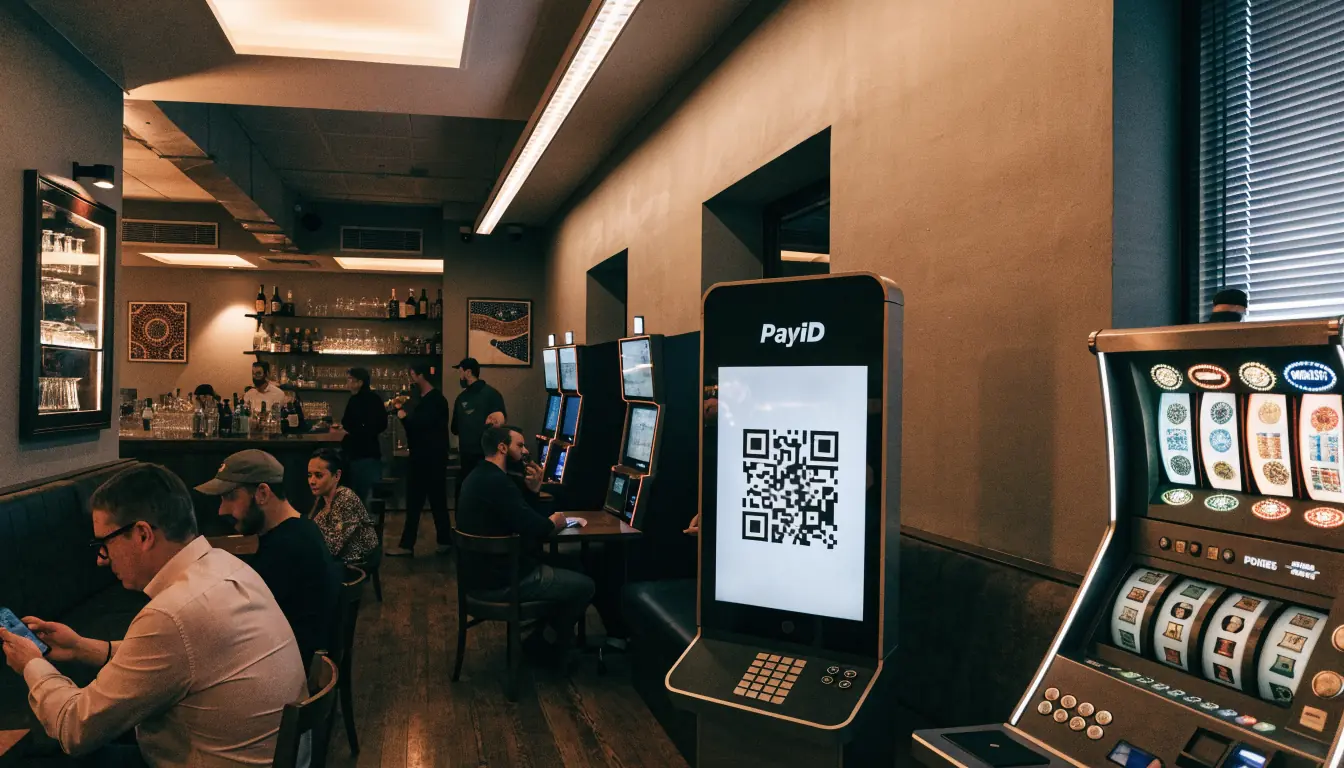
Summary of the current landscape
Taken together, the facts available establish a consistent national picture: electronic gaming machines are present in every state and territory; they are housed predominantly in hotels, clubs and casinos, with each venue type following a different licensing pathway; oversight is split between state and territory regulators — such as the Office of Liquor and Gaming Regulation in Queensland and the ACT Gambling and Racing Commission in the ACT — and the federal anti-money-laundering framework administered by AUSTRAC; and the sector’s financial scale, measured in the tens of billions of dollars in both bets placed and losses recorded, confirms that pokies remain a substantial and active part of licensed venue trade rather than a declining or peripheral feature of it. Where sources disagree, as with Australia’s share of the world’s poker machines, that disagreement has been stated rather than resolved, since no additional data was available to adjudicate between the two figures. Where a figure comes from a single source describing a single year, such as the AUD 191.2 billion turnover figure for 2023, it has been attributed to that source rather than presented as an established market-wide standard. This baseline of availability — universal at the jurisdictional level, uneven and venue-dependent at the practical level — is the foundation for the more specific question of when, on any given day, a nearby venue’s pokies room is actually open, which is addressed next.
Opening Hours and 24‑Hour Pokies Venues
Operating hours for pokies venues are set at the level of individual licensed premises rather than by a single national timetable, which means a pub, club or casino floor may run pokies well into the night or around the clock depending on its own licence conditions. No statutory register of hours by venue exists publicly, so anyone trying to work out whether a particular pub with pokies is open now is, in practice, relying on the venue’s own posted hours rather than a government schedule. Some venues do operate on a 24‑hour or near‑24‑hour basis, particularly larger clubs and casino floors in metropolitan areas, while smaller suburban pubs typically close their gaming rooms overnight along with the rest of the premises.
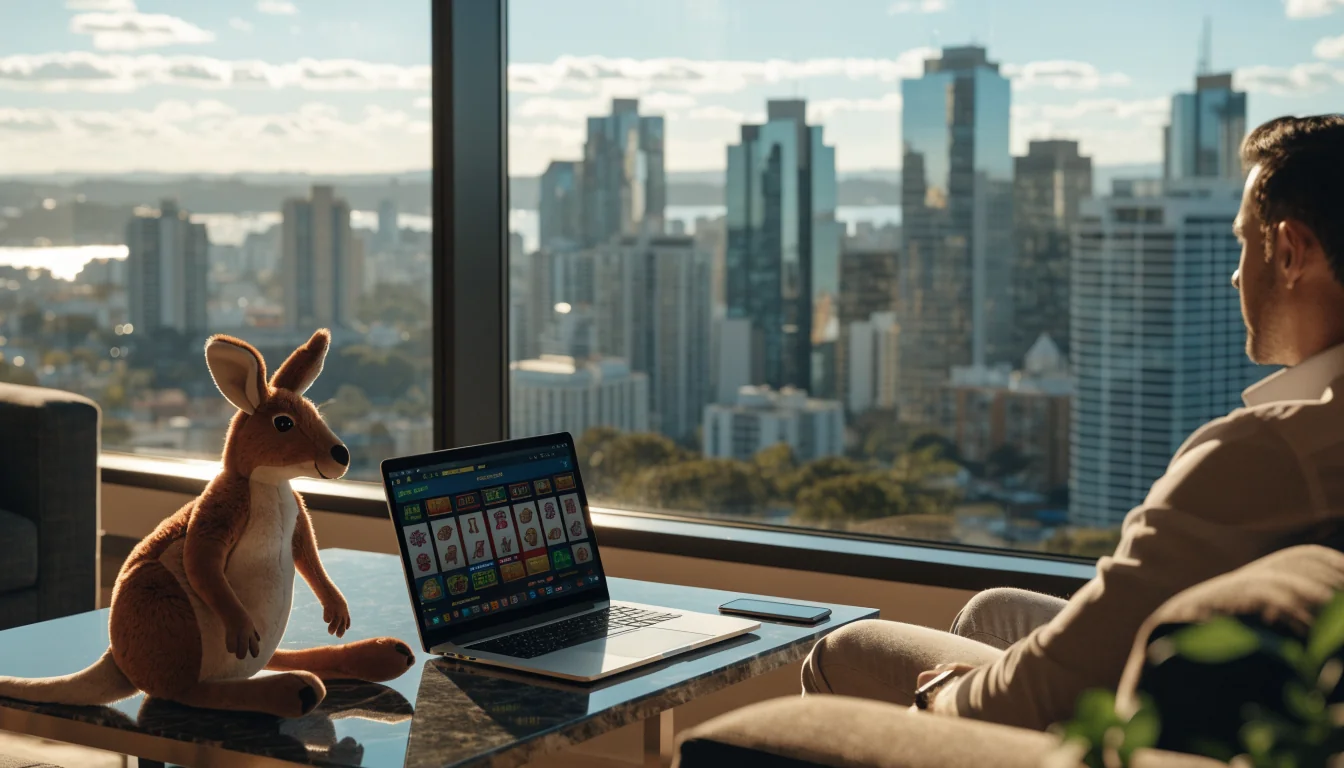
This variability matters for a reason that goes beyond convenience. Extended and overnight trading hours change the risk profile of a venue from an anti‑money‑laundering standpoint. The compliance obligations that apply to pokies operators do not pause outside daylight hours: a venue with more than fifteen machines is required to maintain a compliance officer, run risk assessments, apply AML/CFT programs, carry out customer due diligence, and report cash transactions above AUD 10,000 regardless of what time those transactions occur. Smaller operators, those running up to fifteen machines, remain under the lighter but still binding regime of AUSTRAC registration, identification record‑keeping and suspicious matter reporting. Neither threshold is suspended for night trade.
Why late‑night and 24‑hour trading draws scrutiny
The combination of high cash volumes and limited traceability that makes pokies generally attractive for laundering is compounded during hours when a venue is quieter and staff oversight may be thinner. Criminal use of machines follows a recognisable pattern: cash is inserted in large amounts, the machine is played minimally, and the balance is cashed out to manufacture the appearance of legitimate winnings. This pattern is not tied to a particular time of day, but overnight and early‑morning sessions at venues that never close can make repeated, low‑play, high‑turnover sessions less conspicuous simply because fewer other patrons and staff are present to notice.
Several indicators flagged by regulators apply directly to how a venue’s hours interact with this risk:
- Large or repeated cash insertions followed by minimal play and an immediate cash‑out, a pattern that can be repeated across successive overnight sessions at a single venue.
- Frequent small redemptions carried out across different venues within a short period, which extended trading hours make logistically easier to execute in a single night.
- Customers declining to provide identification or using multiple player cards, a red flag that applies whether the session takes place at midday or 3 a.m.
None of these indicators are specific to overnight trading as such — they are general red flags described for pokies operations as a whole — but the practical opportunity to repeat a pattern quickly across several venues is naturally greater where multiple premises in the same area keep long or round‑the-clock hours.
Cashless systems and the hours question
The industry’s gradual shift toward cashless, account‑based pokies is often framed in terms of everyday convenience, but it also has a bearing on how overnight trading is monitored. According to facctum.com, adoption of account‑based systems improves traceability and reduces the anonymity that has historically made cash play harder to track. Transparent, account‑based pokies are described as providing full traceability of deposits, gameplay and withdrawals — a record that exists independently of what hour a session takes place, unlike a purely cash transaction whose paper trail is only as good as staff observation and till reconciliation at the time.
For a venue open 24 hours, this distinction is not incidental. A cash‑based machine operating overnight generates less contemporaneous oversight than one linked to an account, simply because fewer staff and fewer other patrons are present to observe unusual patterns as they happen. An account‑based system, by contrast, produces the same auditable trail whether the session occurs at 2 p.m. or 4 a.m., which is one of the reasons regulators have pointed to cashless adoption as a way of closing gaps that cash‑heavy, low‑supervision hours can otherwise leave open.
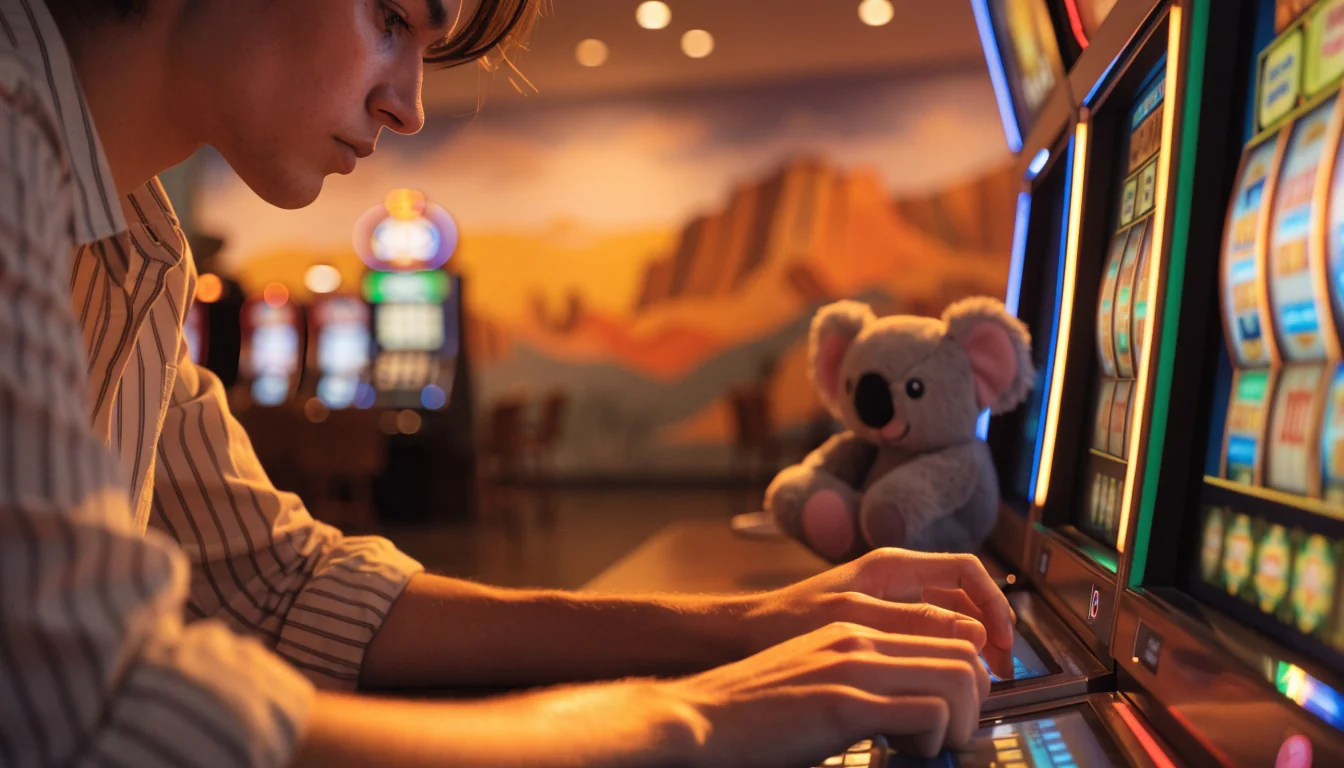
What this means in practice
There is no published rule stating that pokies must close at a set hour nationally, and no evidence here that trading hours themselves are separately regulated for money‑laundering purposes beyond the general compliance regime described above. What can be said is that:
- Venue hours, including 24‑hour trading, are set individually rather than under one uniform national schedule.
- Compliance obligations — registration, identification, suspicious matter reporting, and, above the fifteen‑machine threshold, a full AML/CFT program with a compliance officer and reporting of cash transactions over AUD 10,000 — apply regardless of the hour at which play occurs.
- The general red flags associated with pokies, from rapid cash‑ins‑and‑outs to structuring across venues, are not time‑bound, but the practical scope for repeating them may be wider where venues trade around the clock.
- The move toward cashless, account‑based machines is presented by at least one industry source as a way of maintaining traceability across all hours of operation, including those with reduced staff presence.
Anyone checking whether a specific pub or club with pokies is trading at a given moment is best served by the venue’s own posted hours, since no centralised public timetable of pokies operating hours by location has been identified.
Pokies Operation on Public Holidays (Anzac Day, Good Friday)
Public holidays raise a separate question from the venue schedules already described: whether pokies remain accessible on dates carrying particular civic or religious weight, such as Anzac Day and Good Friday. No statutory rule specific to electronic gaming machines mandates closure on these dates. Trading restrictions on such holidays, where they exist, are typically tied to liquor licensing conditions attached to pubs and clubs rather than to gaming machines as a category in their own right.
This means that whether a venue’s pokies floor operates on Anzac Day morning or through Good Friday depends on the individual venue’s licence conditions and, in some jurisdictions, on state or territory rules governing trading hours for licensed premises generally — not on a dedicated gaming-machine statute. Published regulatory material does not set out a uniform national position for these two dates, and no single source consolidates venue-by-venue holiday schedules.
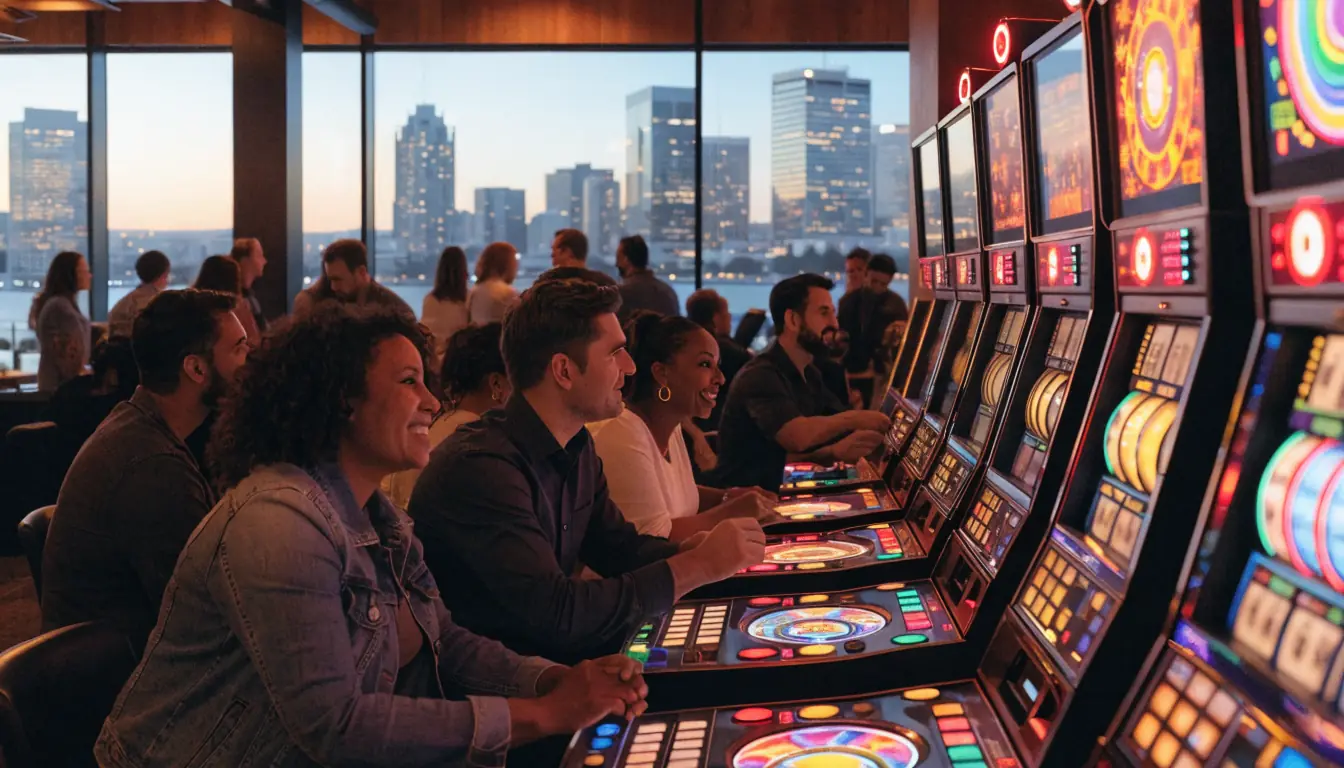
Anyone planning to play on Anzac Day or Good Friday is dealing with a patchwork of licensing conditions rather than one clear rule, and confirming a specific venue’s holiday trading status falls to that venue’s own licence, not to a general statute.
Cash Transactions, Cheques and the Move Towards Cashless Pokies
Cash remains the default way to feed pokies, and this same feature is what draws regulatory scrutiny. High volumes of cash transactions, combined with limited traceability, make pokies a channel that can be exploited for money laundering rather than genuine play.
This concern has pushed the industry toward account‑based, cashless systems. According to facctum.com, replacing cash with account‑linked play improves traceability and reduces the anonymity that made older cash‑and‑cheque payouts harder to monitor. Under such systems, deposits, gameplay and withdrawals can be tied to an identifiable account rather than to loose cash moving through a machine.
No source consulted here specifies which venues currently offer cheque payouts, or the pace at which cashless systems are being rolled out nationally. What is documented is the direction of travel: away from anonymous cash handling and toward account‑based tracking, framed explicitly as a response to money‑laundering risk rather than a convenience upgrade for players.
What are pokies in Australia?
Pokies are electronic gaming machines operated across all Australian states and territories. They are widely installed and used in licensed venues such as pubs, registered clubs, and casinos.
Why are transparent pokies systems important for AML?
Transparent, account-based systems improve traceability and reduce anonymity, countering the high volume of cash transactions that make pokies attractive for money laundering. They provide a full record of deposits, gameplay, and withdrawals, unlike cash-based machines.
How can a player verify that an online casino holds a valid licence in Australia?
They cannot, because the Interactive Gambling Act (2001) makes it an offence for online operators to offer real-money gambling to Australian residents, meaning no legitimate Australian licence exists for this purpose.
Are my personal and financial details safe?
Operators with more than 15 pokies must comply with regulations requiring customer due diligence and transaction monitoring, while those with up to 15 machines must keep identification records and submit suspicious matter reports.
Written by the editors at Pokies Pro.